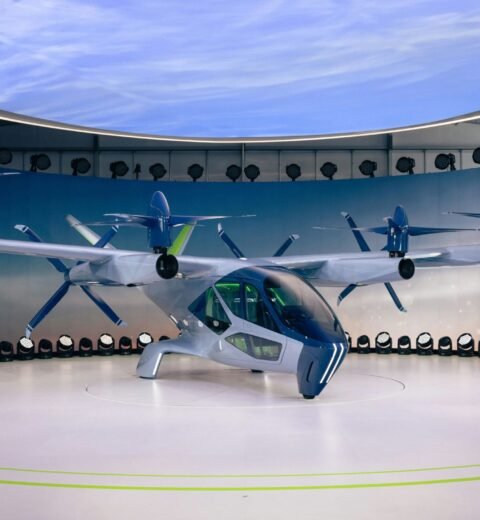
At first glance, Uncrewed Aircraft Systems (UAS) and Advanced Air Mobility (AAM) can seem like very different industries. One is often associated with small drones and near-term operations, while the other is tied to piloted or autonomous electric aircraft and longer-term visions of urban air travel.
In reality, the two are closely connected. While their applications and timelines differ, the technologies, challenges, and skill sets that underpin both industries overlap far more than many people realize. That overlap is a key reason we share opportunities from both UAS and AAM on Current Altitude.
Different Missions, Shared Foundations
UAS and AAM are solving different problems. UAS platforms are already operating at scale across inspection, mapping, logistics, and public safety. AAM platforms are working toward certified passenger and cargo operations in more complex airspace.
Despite those differences, both industries rely on a shared technical foundation. Autonomy, flight control software, sensors, communications, and systems integration are central to both. Lessons learned from operating thousands of small uncrewed aircraft directly inform how larger, more complex AAM systems are designed, tested, and managed.
In many cases, UAS serves as the proving ground for concepts that AAM will later depend on.
Overlapping Roles and Skill Sets
The people building these systems often move between UAS and AAM throughout their careers. Engineers working in avionics, autonomy, perception, or embedded systems frequently find their expertise applies across both sectors. The same is true for roles in manufacturing, safety, certification, flight test, and operations.
Even outside of engineering, the overlap remains strong. Program management, systems engineering, quality assurance, and regulatory engagement are critical in both industries. Experience gained in one domain often translates directly to the other.
This crossover is one reason we view UAS and AAM as part of a broader advanced aviation ecosystem rather than two isolated markets.
Shared Infrastructure and Ecosystem
Beyond talent, the supporting ecosystem is increasingly shared. Airspace integration, uncrewed traffic management (UTM), communications infrastructure, and safety frameworks are being developed with both UAS and AAM in mind.
As operations scale, the distinction between “drone airspace” and “AAM airspace” becomes less meaningful. The long-term vision is an integrated low-altitude environment where multiple types of aircraft operate safely together. Progress in one area accelerates progress in the other.
Why This Matters for the Future of Flight
Separating UAS and AAM too cleanly can obscure the bigger picture. Many of the most important advances in aviation are happening at the intersection of these fields, where real-world operations inform long-term innovation.
By sharing opportunities across both industries, we aim to reflect how the ecosystem actually works. Whether someone is exploring their first role in uncrewed aviation or looking to transition into AAM, understanding both sides provides valuable context and opens more doors.
UAS and AAM may follow different paths, but they are building toward the same goal: safer, more efficient, and more capable aviation systems.
That’s why Current Altitude covers both.